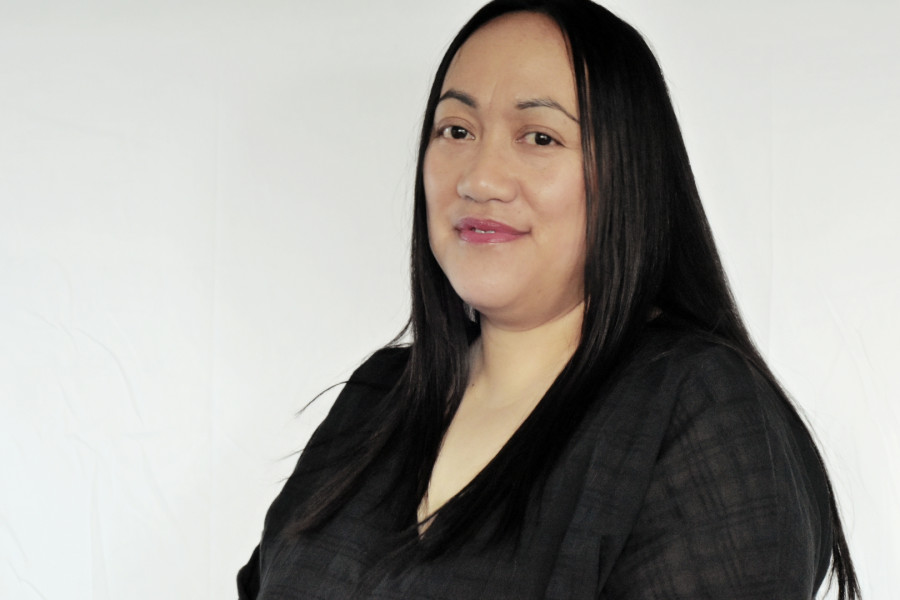
Today, Invercargill local Margaret Paia is helping to revitalise Cook Islands languages and the Mangaian dialect, ensuring future generations remain connected to their language and culture.
This Cook Islands Language Week, Margaret is helping create opportunities for her community to learn, speak and celebrate Te Reo Māori Kūki 'Āirani and Mangaian all year round.
As part of the newly established Kia Orana Murihiku Charitable Trust in Invercargill, she is working alongside her community to strengthen connections to language and identity while celebrating the richness and diversity of Cook Islands dialects, including Mangaian.
The Trust was born from a simple realisation – language learning shouldn't begin and end with Cook Islands Language Week.
"After Language Week, we thought we'd really like this to keep going because it only really pops up at Language Week,” says Margaret.
Today, the Trust is planning year-round opportunities for people to reconnect with their heritage through community-based language learning. Their programmes also provide a welcoming space for adults who may understand the language but don't always feel confident speaking it.
"It's about creating a safe space for them to try and give it a go."
Margaret's commitment to preserving her language is rooted in her family's story.
When her parents moved to New Zealand, they brought with them their Mangaian values, culture and language. Her mother, in particular, grew up immersed in Tara Mangaia, learning from the elders and the Tumu Kōrero – the traditional cultural and oratory leaders of her villages of Oneroa, Keia and Tamarua.
One phrase her parents often repeated has stayed with her throughout her life.
"To give you a better life."
"My parents had a vision for future generations, based on Mangaian values, a deep abiding faith and love for God, the preservation of our family, and nurturing and caring for one another.
My father worked long hours in factories and would walk in the rain, hail and snow so we could eat and have a roof over our heads.
They sacrificed a lot for us so we could have better access to health and wellbeing services, opportunities for higher education and increased prosperity."
Looking back, Margaret says every sacrifice was made out of love and a desire to create opportunities for future generations.
"Now both my parents have passed away. I regret not recording the narratives of our ancestors. What I miss the most is listening to both my parents talking in Mangaian to us and our families. Listening to their voices speak of the legends and the rich oral history of our people and all the banter. I rarely hear old Mangaian spoken these days like they spoke."
That regret has strengthened her determination to ensure those stories and the language they were told in are never lost.
Inspired by her parents and her ancestors, Margaret says she feels a responsibility to continue their legacy.
"I desire to be a change maker as my ancestor Numangatini Ariki was. He paved a way for our people to advance forward, and adjust to his world at the time that was changing. Likewise, we are prioritising and leading the way through establishing ongoing Te Reo Māori Kūki 'Āirani learning."
Her commitment was reinforced after attending a tangi, where she witnessed just how fragile language preservation can be.
"I recently went to a tangi and when we were singing a traditional Mangaian church hymn, there were only a few people who were able to sing it. It was really sad to see our traditional songs no longer being sung by many.
That's why it's so important to teach the next generation, so we don't lose our traditions, our heritage and where we come from. Our language is a gift. It's important because it becomes their foundation, knowing they can always come home and that it's part of who we are."